
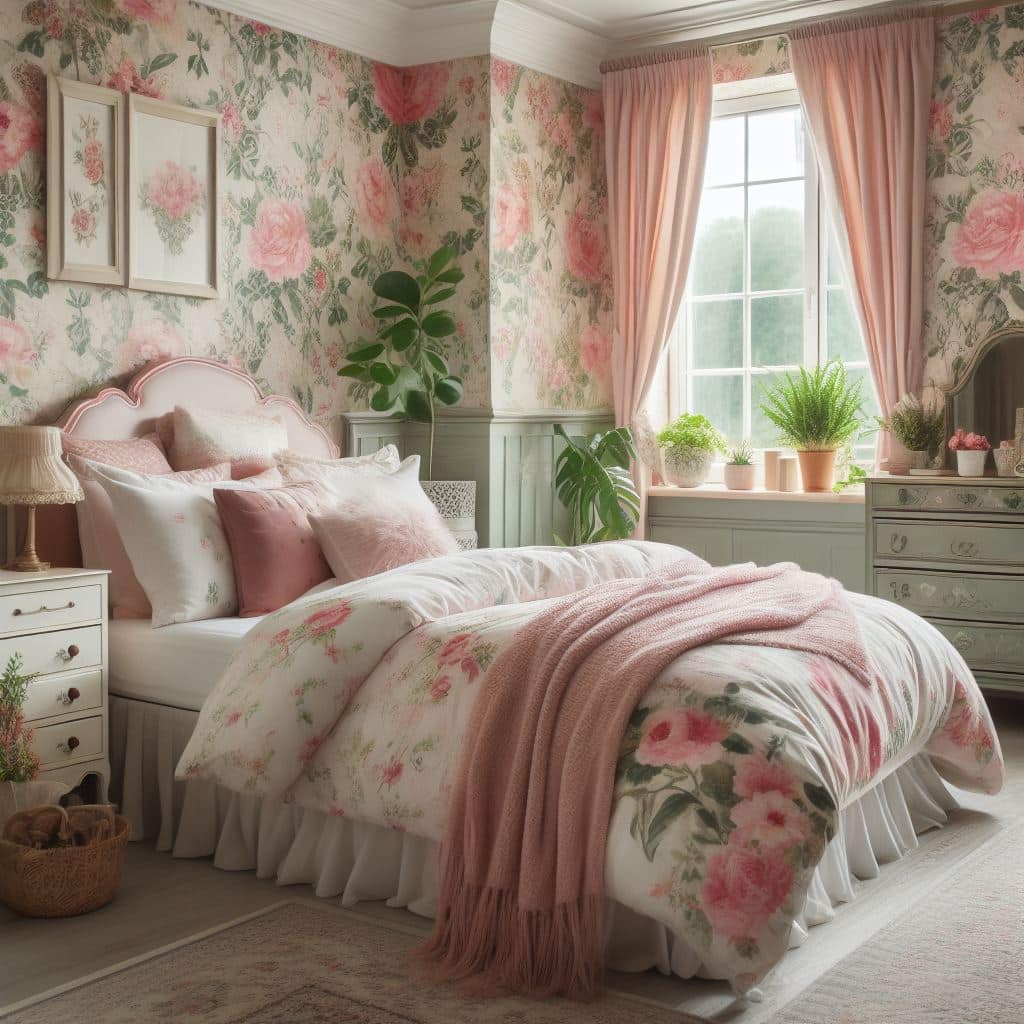
In the realm of interior design, few elements have endured as long and undergone as many transformations as wallpaper. From its humble beginnings as a practical solution to its evolution into a form of artistic expression, the history of wallpaper is a rich tapestry woven with threads of innovation, culture, and technology.
Origins: From Hand-Painted Elegance to Mass Production
The origins of wallpaper can be traced back to ancient civilizations such as the Chinese, who adorned their walls with hand-painted rice paper as early as 200 B.C. These early wallpapers were not merely decorative but served functional purposes, such as insulating rooms and adding a layer of protection against moisture.
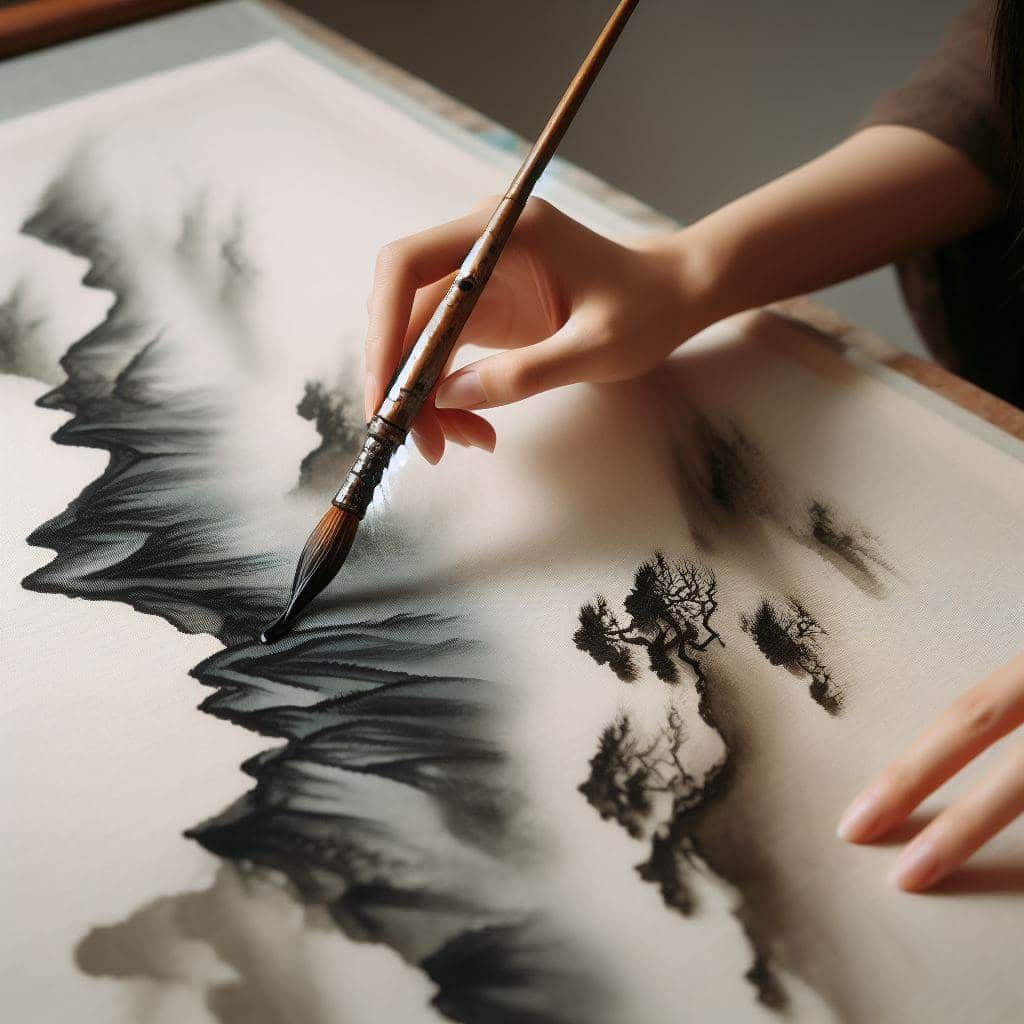
The popularity of wallpaper spread to the Middle East and Europe during the Middle Ages, where it became a symbol of wealth and privilege. However, it wasn’t until the 15th century that wallpaper production began to flourish in Europe, particularly in Germany, where craftsmen meticulously hand-painted intricate designs onto paper.
The invention of the printing press in the 15th century revolutionized the production of wallpaper, allowing for mass production and making it more accessible to the masses. By the 18th century, wallpaper had become a ubiquitous feature in European homes, with manufacturers in England, France, and Germany producing a wide array of designs to suit different tastes and styles.
The Golden Age: Victorian Extravagance and Beyond
The 19th century witnessed the golden age of wallpaper, particularly during the Victorian era, where elaborate patterns and bold colours were all the rage. Wallpaper became a symbol of status and taste, with affluent homeowners adorning their walls with luxurious designs featuring intricate motifs, landscapes, and ornamental details.

Technological advancements, such as the development of machine-printing techniques and synthetic dyes, further fuelled the proliferation of wallpaper. Manufacturers could produce larger quantities at lower costs, catering to a burgeoning middle class eager to emulate the opulent aesthetic of the upper echelons of society.
Modern Revival: From Minimalism to Maximalism
The 20th century saw shifts in design trends that reflected broader social and cultural changes. The early decades favoured simplicity and functionality, with minimalist designs and neutral colour palettes dominating interior spaces. However, the latter half of the century witnessed a resurgence of interest in wallpaper, fuelled by a desire for self-expression and nostalgia.

The psychedelic patterns of the 1960s and 70s captured the spirit of the counterculture movement, while the bold geometries and vibrant colours of the 1980s reflected the exuberance of the era. In the late 20th and early 21st centuries, wallpaper experienced a renaissance, with designers and homeowners embracing a diverse range of styles, from retro-inspired prints to contemporary digital designs.
The Future of Wallpaper: Innovations and Sustainability
As we look to the future, the evolution of wallpaper continues unabated, driven by advancements in technology and a growing emphasis on sustainability. Digital printing techniques allow for greater customization and creativity, enabling designers to push the boundaries of traditional wallpaper aesthetics.
Moreover, there is a growing demand for eco-friendly and sustainable materials, prompting manufacturers to explore alternative sources and production methods. From recycled paper to natural fibers and water-based inks, the quest for environmentally conscious wallpaper options is shaping the industry’s trajectory towards a more sustainable future.
Conclusion
The history of wallpaper is a testament to humanity’s innate desire to adorn our surroundings with beauty and creativity. From its humble origins to its contemporary iterations, wallpaper has transcended mere decoration to become a reflection of our ever-changing tastes, values, and aspirations.
As we continue to push the boundaries of design and technology, one thing remains certain: the allure of wallpaper will endure, weaving its way through the fabric of our homes and hearts for generations to come.