
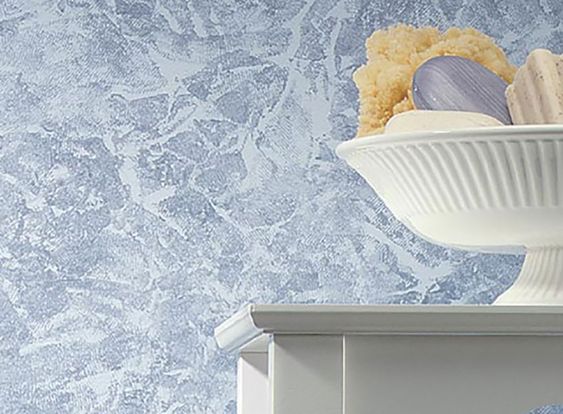
In the realm of interior design, every stroke of paint holds the power to transform a space from mundane to mesmerizing. Among the myriad of painting techniques, rag rolling stands out as a timeless method that adds depth, texture, and visual interest to walls, furniture, and decorative elements. Originating from the faux finishing tradition, rag rolling has evolved into an art form cherished by designers and DIY enthusiasts alike. Let’s delve into the nuances of this captivating paint effect and explore how it can elevate the aesthetics of any interior.
Understanding Rag Rolling: Rag rolling is a decorative painting technique that involves applying glaze or paint to a surface using a rolled-up cloth, typically a rag, to create a textured pattern. The process entails rolling or pressing the cloth onto the painted surface, imparting a unique texture reminiscent of fine fabric or aged leather. The beauty of rag rolling lies in its versatility; it can mimic various textures, from subtle linen-like finishes to dramatic suede effects, depending on the chosen colors and application method.

Materials and Preparation: Before embarking on a rag rolling project, gather the necessary materials:
- Base coat: Choose a matte or satin finish latex paint as the base color for your project.
- Glaze: Select a compatible glaze in a contrasting or complementary hue to create depth and dimension.
- Rags: Opt for lint-free cotton rags or cheesecloths, ensuring they are clean and free of debris.
- Paint trays and rollers: Use trays to mix the glaze and paint rollers to apply the base coat.
- Painter’s tape and drop cloths: Protect adjacent surfaces from accidental splatters or spills.
The process begins by preparing the surface through cleaning, priming, and applying the base coat. Once the base coat is dry, mix the glaze according to the manufacturer’s instructions, usually combining it with the desired paint color to achieve the desired hue.
Creating the Effect: With the glaze mixture ready, tear the rag into manageable strips or crumple it into a loose ball, depending on the desired texture. Dip the rag into the glaze, ensuring it is evenly saturated but not dripping. Excess glaze can be removed by lightly pressing the rag against the edge of the paint tray.
Now, the artistic journey begins. Press the glaze-coated rag onto the painted surface, gently rolling or dragging it in a random or patterned motion. Experiment with different angles, pressures, and overlaps to achieve a varied and organic texture. For a softer effect, lightly roll the rag; for more pronounced texture, apply firmer pressure.
As you work across the surface, periodically reload the rag with glaze to maintain consistency in color and texture. Take breaks to step back and assess the overall effect, making adjustments as needed to achieve the desired aesthetic.
Finishing Touches and Considerations: Once the rag rolling process is complete, allow the glaze to dry completely before applying any protective topcoat or sealant. Depending on the desired sheen and durability, choose an appropriate finish, such as satin or matte varnish.
While rag rolling is relatively forgiving and allows for creative expression, there are some tips to enhance success:
- Practice on a sample board or inconspicuous area before tackling larger surfaces.
- Experiment with different rag types and techniques to achieve varying textures and effects.
- Work in small sections to maintain control and consistency.
- Blend overlapping areas seamlessly to avoid visible seams or lines.
Benefits of Rag Rolling: The allure of rag rolling extends beyond its aesthetic appeal. Here are some benefits of incorporating this technique into your design repertoire:
- Texture and depth: Rag rolling adds tactile interest and dimension to flat surfaces, enlivening them with subtle nuances and character.
- Versatility: From walls and ceilings to furniture and accessories, rag rolling can be applied to a myriad of surfaces, offering endless creative possibilities.
- Cost-effective: With basic materials and techniques, rag rolling provides a budget-friendly way to achieve luxurious finishes that rival expensive wallpapers or textured paints.
- Personalization: Each rag rolling application is unique, reflecting the individuality and artistic flair of the creator. Experimentation with colors, textures, and patterns allows for customized designs tailored to specific preferences and aesthetics.
Conclusion: In the realm of decorative painting, rag rolling stands as a testament to the timeless allure of texture and craftsmanship. From its humble origins to its enduring popularity, this technique continues to captivate and inspire designers and DIY enthusiasts alike. Whether adorning walls, furniture, or decorative accents, rag rolling infuses spaces with a sense of warmth, depth, and sophistication, making it a cherished addition to any interior design toolkit.